In bulk material handling, reliability is not measured in days or months. The real test is whether equipment can continue doing its job year after year—often under abrasive, dusty and difficult operating conditions.
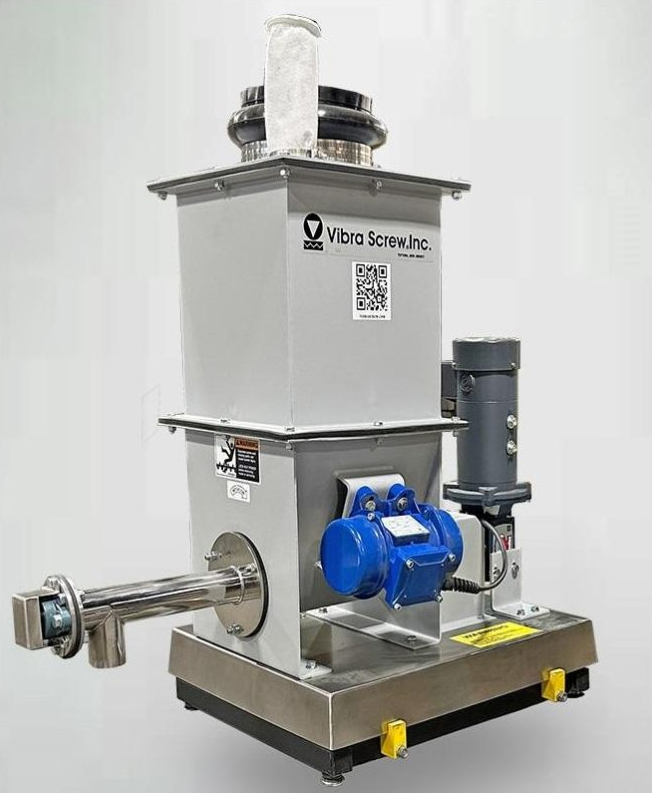
For a municipal water treatment facility, dependable solids handling is more than a maintenance concern. Materials such as lime and soda ash have to move from storage into the process reliably. Bridging, ratholing, inconsistent discharge or unexpected equipment failures can interrupt treatment operations and create significant maintenance problems.
That is why one recent Vibra Screw replacement project stands out.
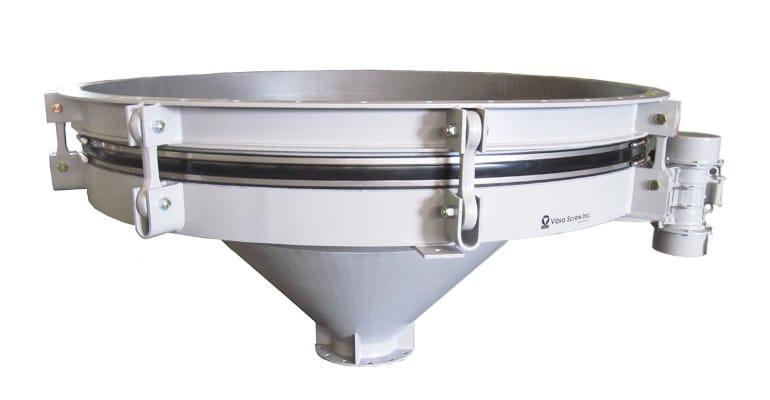
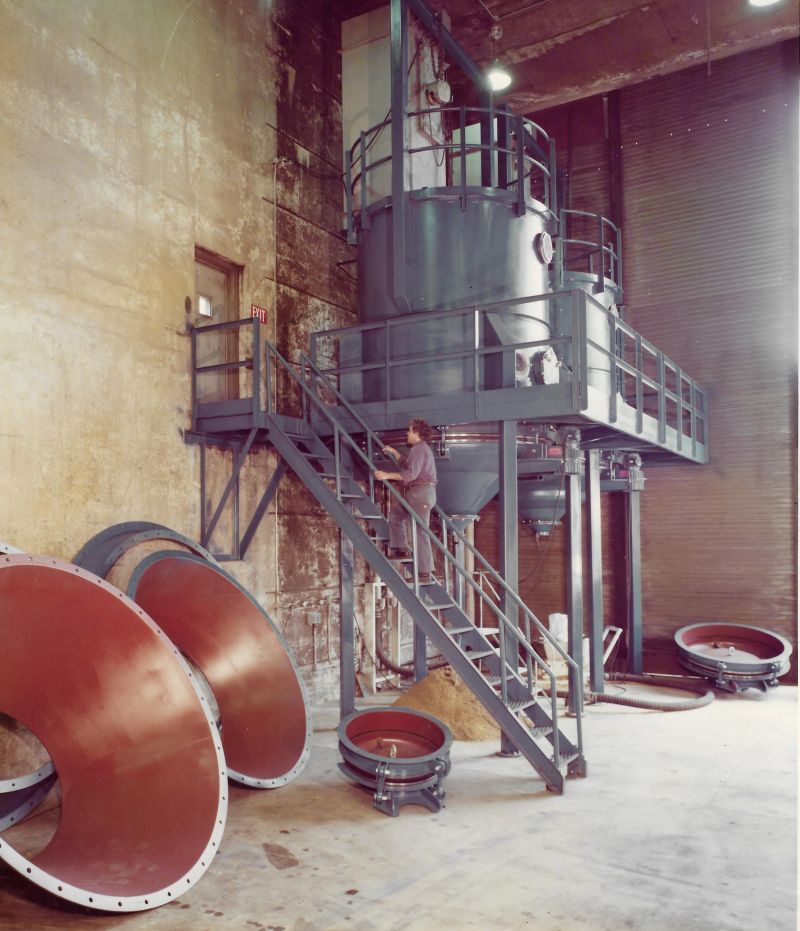
At Gainesville Regional Utilities, two Vibra Screw Bin Activators installed in approximately 1980 remained in service for roughly 45 years handling lime and soda ash.
After more than four decades of operation, the decision was finally made to replace the original equipment.
And the replacement equipment?
Vibra Screw again.
The Application: Keeping Difficult Materials Moving
Lime and soda ash are common materials in municipal water treatment, but that does not mean they are always easy to handle.
Fine powders can compact in storage, bridge across an outlet or create ratholes that allow material to flow only through a narrow channel. When this happens, a storage silo may contain plenty of material while providing an inconsistent supply to the equipment below it.
The purpose of a Bin Activator is to address the problem at the source: the transition between bulk storage and controlled discharge.
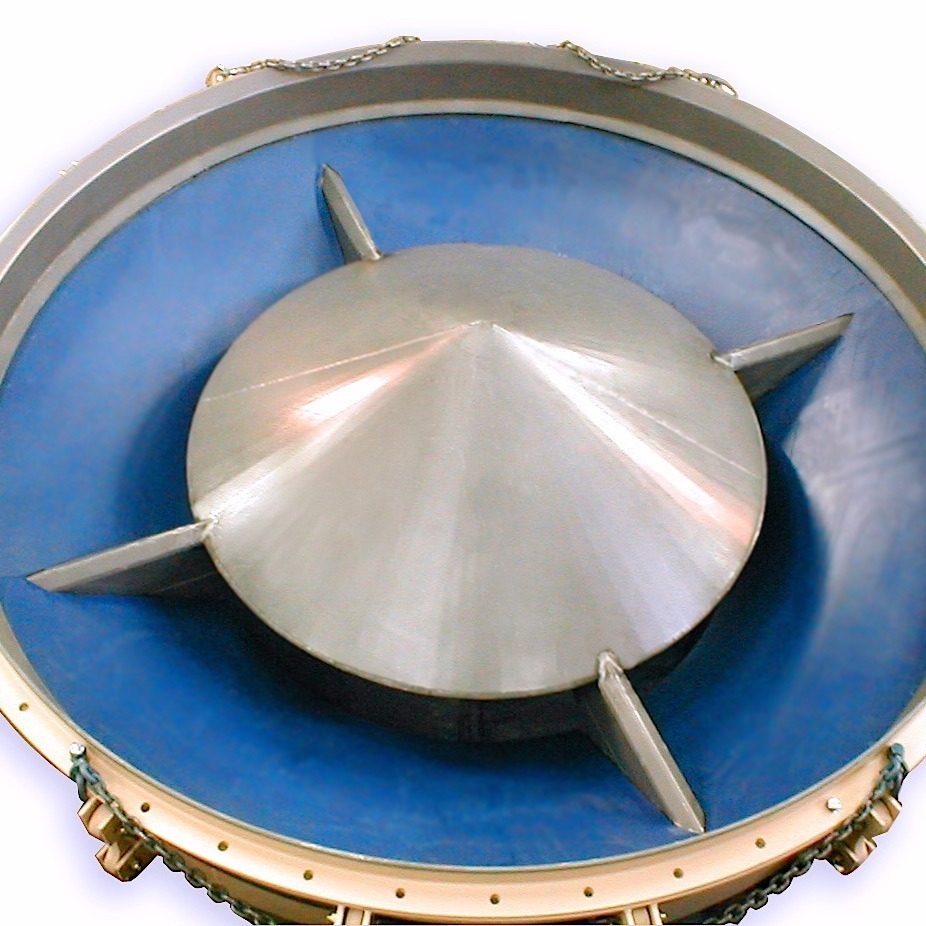
Rather than relying on manual intervention, air cannons or mechanical devices pushing through compacted material, the Bin Activator uses controlled vibration to encourage material movement across the bin cross-section and toward the discharge.
That consistent flow is particularly important when the next piece of equipment in the process is expected to meter material accurately. A feeder cannot provide consistent performance if its material supply is inconsistent.
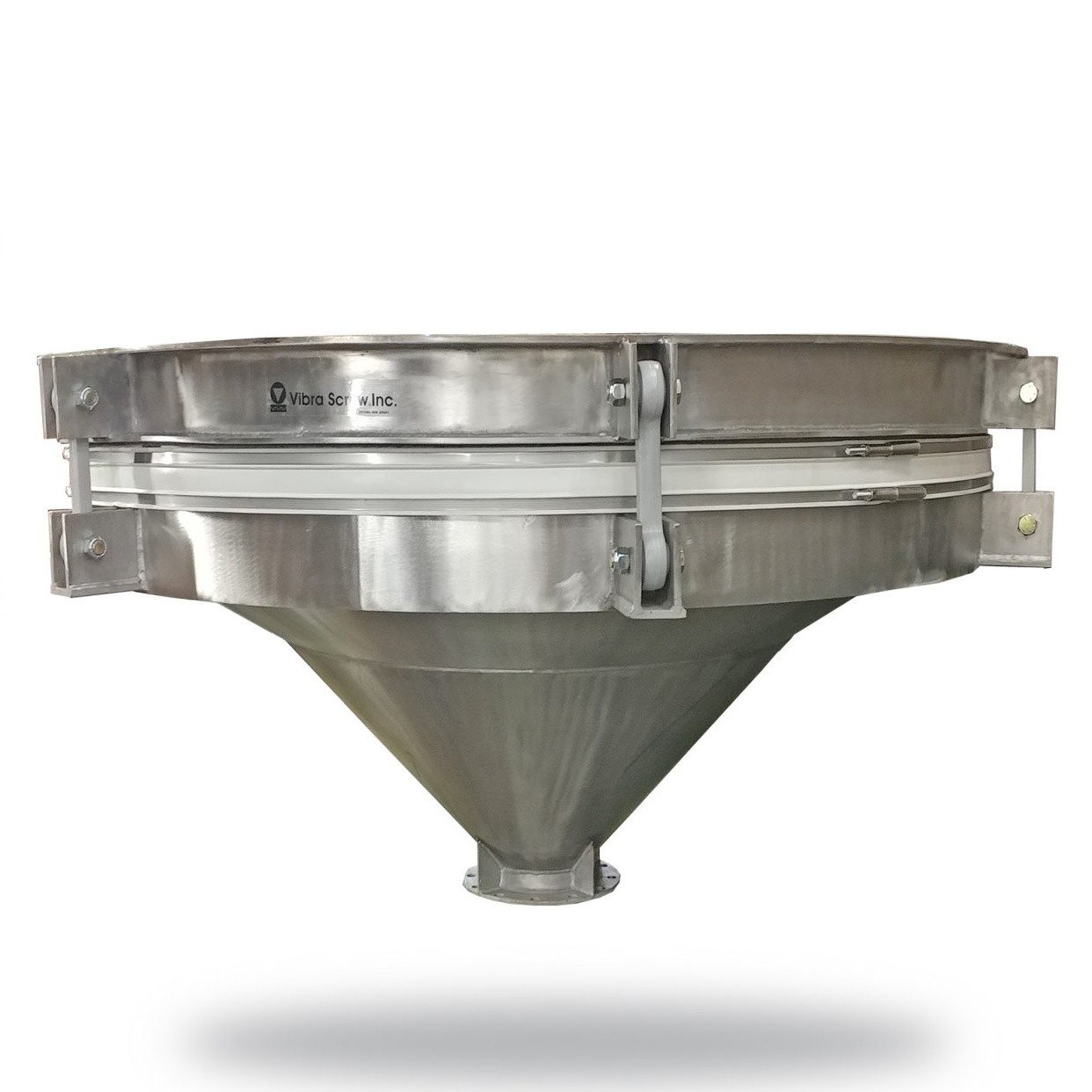
Vibra Screw’s current Bin Activator designs continue to use vibration and an internal baffle arrangement to promote controlled bulk-solid discharge and mass-flow behavior. Learn more.
Replacing Equipment That Had Already Proven Itself
The Gainesville project called for new equipment sized for the existing water-treatment application, including an approximately 8-foot-diameter Bin Activator for lime and a 6-foot-diameter Bin Activator for soda ash.
The replacement project also incorporated updated features such as slide plates and sleeve diverter rings based on the requirements of the installation.
This is an important distinction.
Replacing a 45-year-old piece of process equipment should not simply mean manufacturing a copy of what was installed decades ago. Plants change. Operating procedures change. Maintenance expectations change. Controls and downstream equipment change.
A properly engineered replacement considers both the success of the original design and what can be improved for the next generation of the system.
Forty-Five Years Is Impressive. It Isn’t an Isolated Example.
Long equipment life has appeared repeatedly throughout Vibra Screw’s installed base.
One Vibra Screw customer contacted the company about replacement parts for Live Bins manufactured in 1958. According to Vibra Screw, the equipment had accumulated approximately 63 years of operation before replacement vibration isolators were requested—and the original-style gyrators were reportedly still operating without replacement parts. Read more.
Another application involved eight Inconel 600 Bin Activators built in 1978 for handling corrosive chlorinated dry bleach. Vibra Screw reported that those units operated for approximately 48 years before corrosion and time finally made replacement necessary. Read more.
Different customers. Different materials. Different industries.
The common theme is designing bulk material handling equipment around the actual application rather than treating the equipment as a commodity.
What Long Equipment Life Really Means
For process engineers and plant managers, longevity is about considerably more than avoiding the purchase price of replacement equipment.
A reliable solids-handling system can mean fewer emergency shutdowns, fewer maintenance interventions, less production disruption and greater confidence that material will be available when the process requires it.
It also highlights something that is sometimes overlooked during capital-equipment selection:
The lowest acquisition cost and the lowest lifetime cost are not necessarily the same thing.
An industrial feeder, conveyor or bin discharger becomes part of a process that may be expected to operate for decades. Engineering decisions made during the original project—equipment sizing, material of construction, suspension design, vibration characteristics, sealing, accessibility and compatibility with the material—can continue affecting that plant long after the original purchase order has been forgotten.
Built Around the Material, Not Just the Machine
There is no universal solution for dry bulk solids.
Lime behaves differently from soda ash. Carbon black behaves differently from plastic pellets. Pharmaceutical powders create different requirements from foundry sand, wood chips or metallurgical coke.
That is why successful bulk solids handling starts with understanding the material and the process.
Bulk density, particle size, moisture, flow characteristics, required feed rate, storage geometry, construction material, temperature, sanitary requirements and downstream equipment all influence equipment selection.
For more than six decades, that application-driven approach has been at the center of Vibra Screw’s work in feeding, conveying, weighing and discharging dry bulk materials.
Sometimes the best evidence that an approach works isn’t found on a specification sheet.
Sometimes it is a piece of equipment that was installed in 1980—and was still doing its job 45 years later.
Have a silo that bridges, a feeder that won’t stay consistent, or an aging bulk solids system that needs to be upgraded? Vibra Screw can review the material, process requirements and existing equipment to develop a solution built around the application.
Vibra Screw Inc.
755 Union Boulevard
Totowa, NJ 07512
973-256-7410
info@vibrascrew.com
www.vibrascrew.com
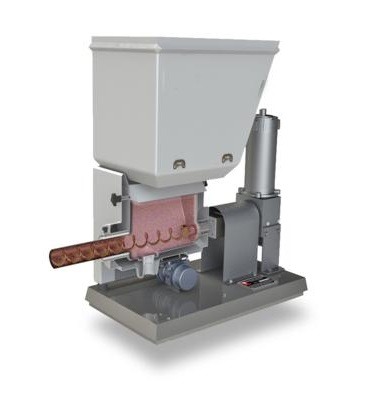
 A volumetric screw feeder is a crucial component in many industries where precise and consistent feeding of dry bulk materials is required. Achieving an optimal design for a (volumetric screw) feeder is essential to ensure accurate and reliable material flow into process. This article will delve into various design considerations and guidelines for developing an efficient volumetric screw feeder that meets specific application requirements. From screw geometry to hopper design and control systems, each aspect plays a vital role in achieving precise volumetric feeding.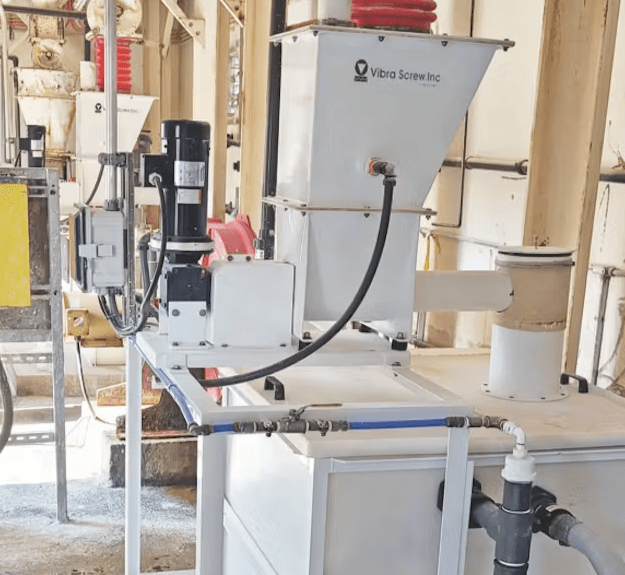
 New feed and mix systems ensure consistent flow of hydrated lime at Fort Worth water treatment plants.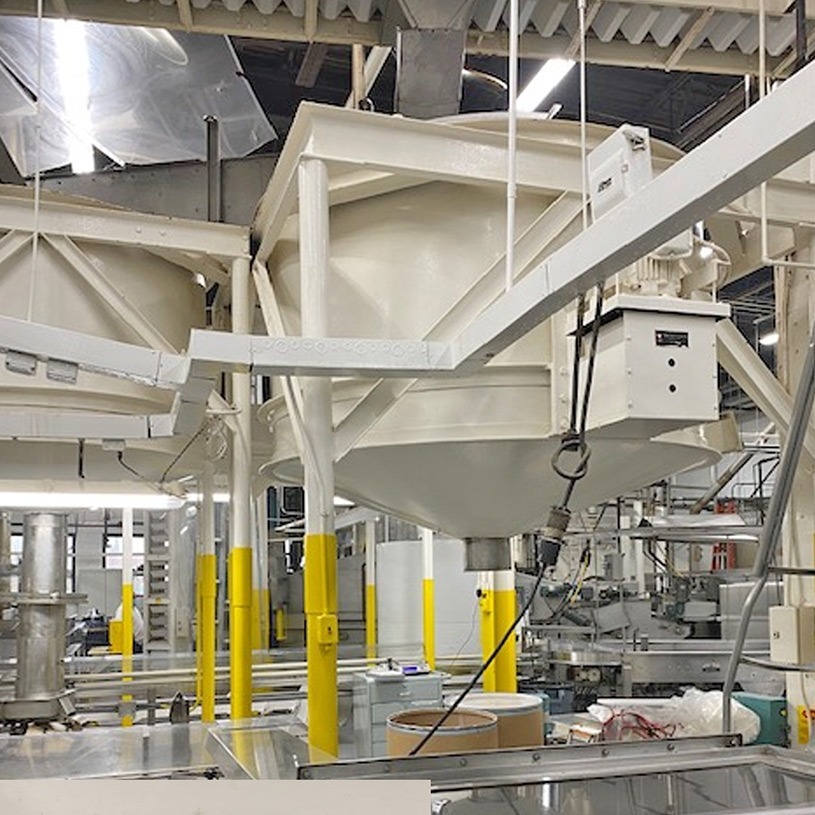

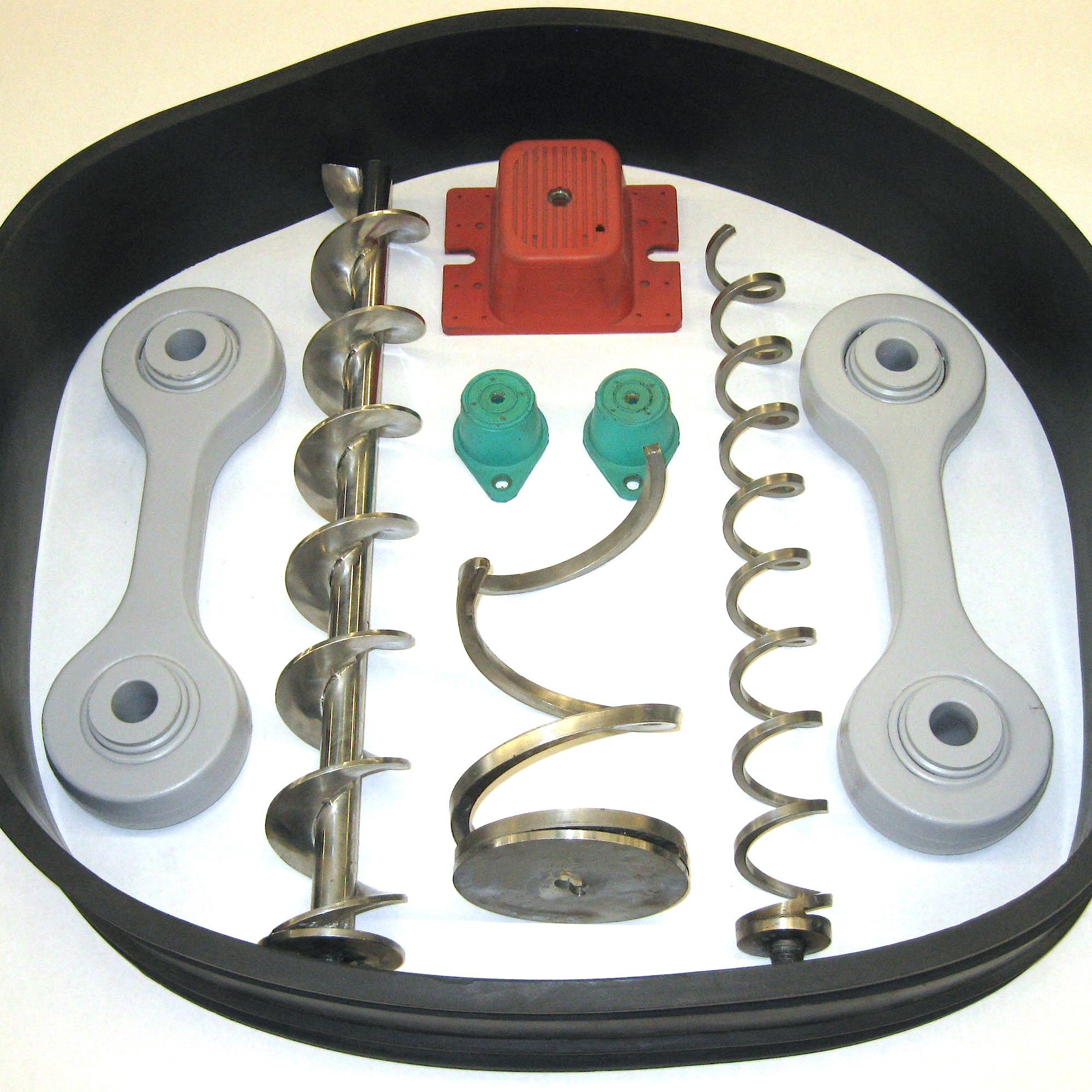
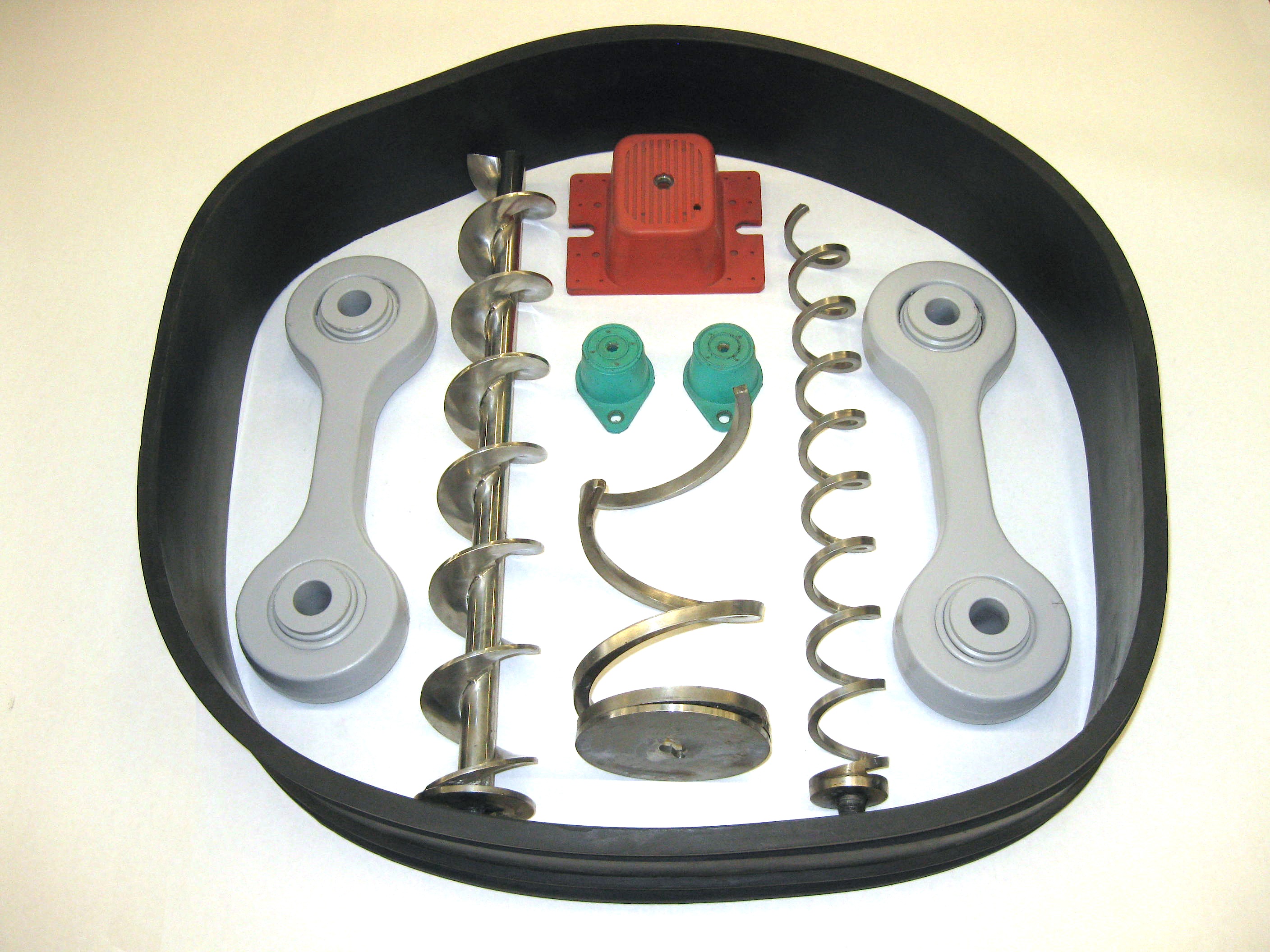
 In the static bin (left sequence) loaded with material of non-uniform particle size. A pipe forms down the center of the outlet. The vibration-assisted bin (right sequence) has a baffle over the outlets.
 Industrial Hemp, cousin to Marijuana but without the effect, has been a usable fiber for over 50,000 years. Used to make commercial items ranging from paper, textiles, clothing, plastics, paint, food, animal feed and biofuel, it is seeing a resurgence over other natural fibers such as wood because: it yields four times the crop per acre without need for herbicides and with fewer pesticides, takes only 3-4 months from planting to harvest, in paper production does not require environmentally harmful bleaching agents and can be recycled 3 times more, and as a composite substitute for wood in construction reduces the depletion of old growth forests. Hemp seeds are a rich nutrient in human and animal diets and produce hemp oil for biofuels and CBD medicinals.
 Hemp plants produce a range of dry bulk materials. They each present a unique challenge in handling during processing. The plant inner “hurd” and outer “blast” fibers are light [10-12 lbs/cuft] and will not move freely from a storage bin or IBC or feed readily into process. Hemp seeds are free flowing however their natural oil can cause them to set up in storage. The flour and meal made from ground seeds is not dissimilar to wheat and corn varieties and readily hoppered and fed with well proven equipment designs.
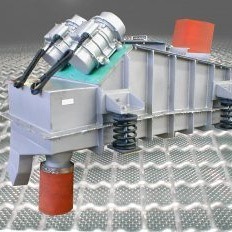
 Vibra Screw has over 65 years of dry material processing equipment experience. Our Bin Activators are proven on fibers, powders and seeds. Our Bulk Bag Unloaders and Fillers provide complete IBC handing with hoists and vibration or massage paddle discharge. Feeding is accomplished with a wide range of precise volumetric and gravimetric equipment including vibrating tube and pan feeders for fibers and screw and belt feeders for powders and seeds. We complete the line up with Flexible screw conveyors, blenders and full system controls.
 We have a full scale test lab where your material can be pilot run and an active R&D program where the latest techniques for improving the processing of materials like Hemp are pioneered every day.



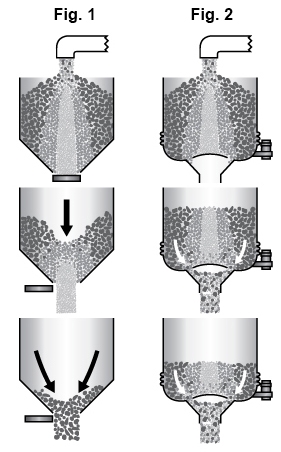 Picture what happens when you pour a mixture of stone and sand on the ground. A rough cone forms, with stones mainly around the outside and sand mainly in the center. The stones tend to roll down the surface of the cone as it is formed, while the sand sifts down closer to the center. Segregation has taken place.
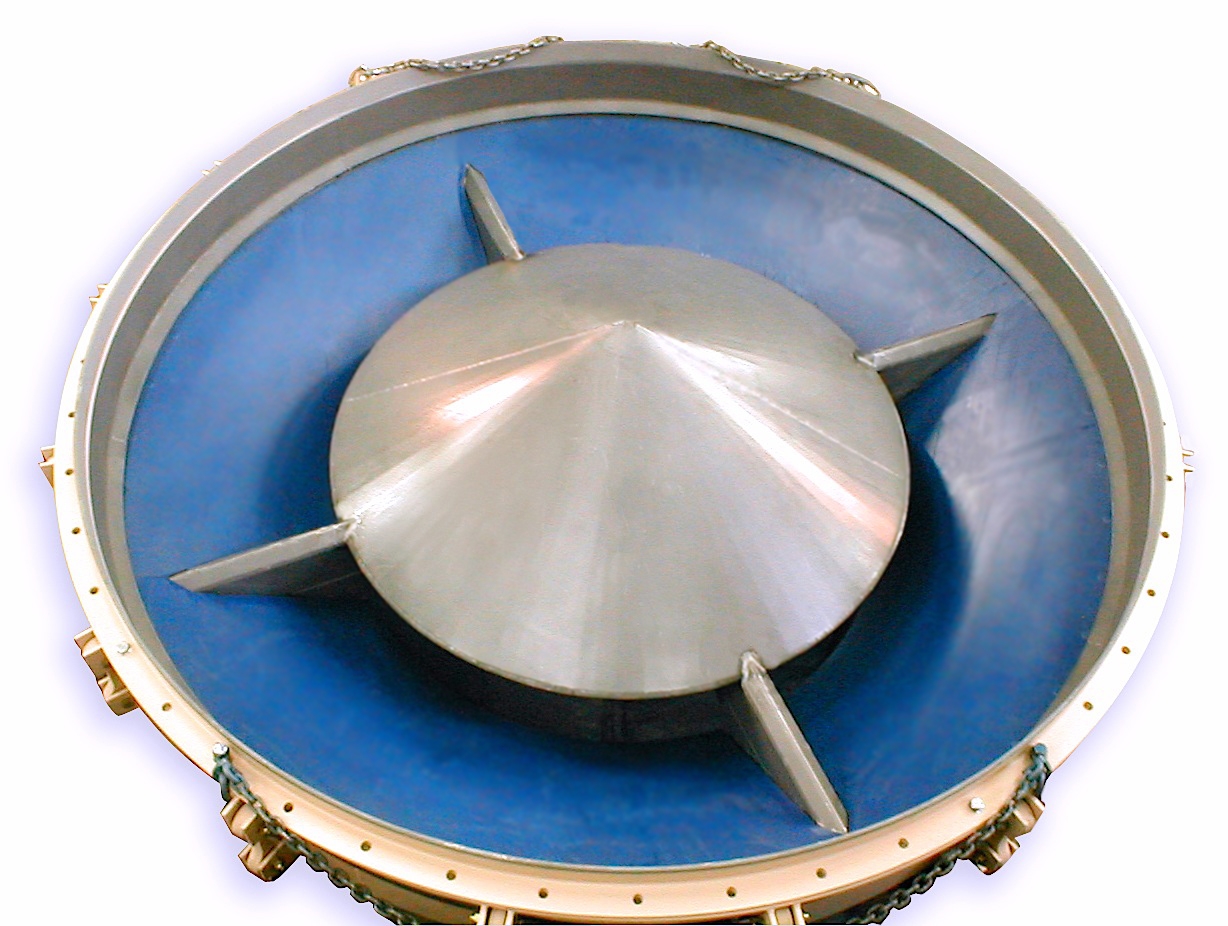 With Bin Activators, larger quantities can be bulk stored because the risk of segregation no longer limits capacity. Management gains more flexibility in plant design for example with fewer bins and conveyors required. That can lead to improved production and important cost savings.